Five Solar Mini-Grids to Bring Electricity to 12,000 Nigerian Homes and Businesses
More Nigerian communities are set to gain access to reliable electricity as five new solar mini-grids with battery storage are being developed across Benue and Nasarawa States.
The projects are expected to provide electricity to more than 12,000 households and micro, small and medium-sized enterprises (MSMEs), including communities that currently have limited or no access to reliable grid electricity.
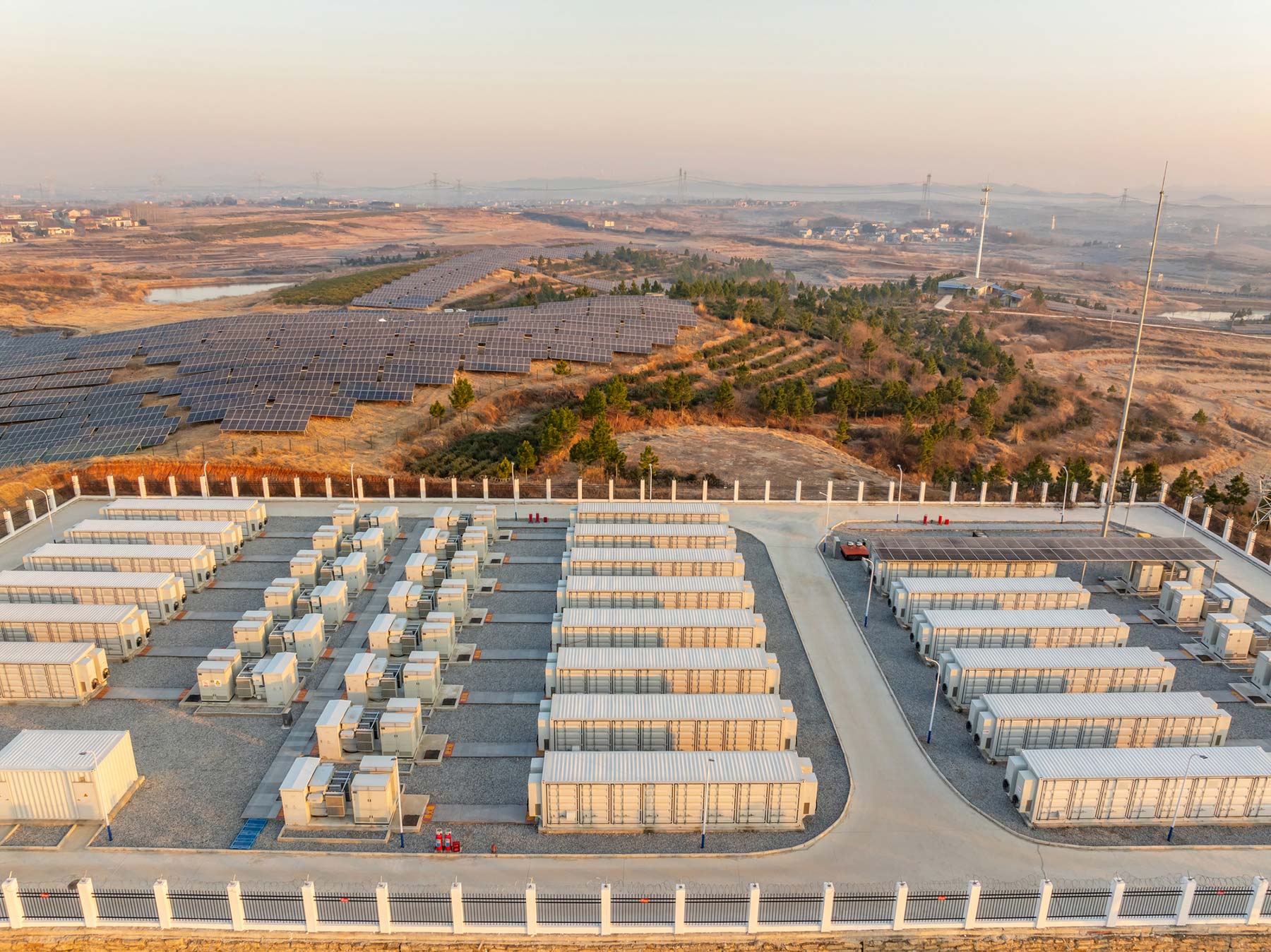
1.84 MW of Solar Capacity and 5.2 MWh of Battery Storage
Together, the five mini-grids will have a combined solar photovoltaic capacity of approximately 1.84 megawatts-peak (MWp), supported by 5.2 megawatt-hours (MWh) of battery storage.
The combination of solar generation and battery storage is important because electricity can continue to be supplied after sunlight hours. During the day, the solar panels generate electricity while the batteries can store excess energy for later use.
Reducing Dependence on Diesel Generators
For many businesses and households in areas with unreliable grid supply, petrol and diesel generators remain an expensive source of backup electricity.
Solar mini-grids can provide an alternative by generating electricity locally and reducing dependence on fuel-powered generators. This can be particularly valuable for businesses that require dependable power for refrigeration, lighting, communications, equipment and other daily operations.
Supporting Local Businesses
Reliable electricity can make a significant difference to small businesses. Shops, farms, workshops, healthcare facilities and other enterprises can operate for longer hours when they have access to dependable power.
For rural communities, improved electricity access can also create opportunities for productive activities and support economic development.
Why Battery Storage Matters
Solar power generation depends on sunlight, but electricity demand continues beyond daylight hours. Battery energy storage helps bridge this gap by storing electricity when solar production is available and releasing it when needed.
As Nigeria's renewable energy sector expands, combining solar generation with battery storage is likely to become increasingly important for creating more dependable decentralised power systems.
A Growing Solar Opportunity for Nigeria
The development of these five mini-grids highlights the growing role of distributed renewable energy in Nigeria's electricity sector.
With continued investment in solar panels, inverters, batteries, mini-grids and related electrical infrastructure, renewable energy can help extend electricity access to communities that remain underserved by the conventional grid.
At Mankorie Global Energy, we believe reliable energy begins with the right technology and proper system design. We provide Electronics, Solar and Security solutions for homes and businesses looking for dependable energy alternatives.
For solar solutions tailored to your power needs, contact Mankorie Global Energy.