India is facing renewed pressure on its electricity supply, with several states seeking additional power allocations to prevent outages as electricity demand remains high.
According to a Reuters report published on October 6, 2026, weaker hydropower generation and maintenance at coal-fired power plants have tightened electricity supplies, particularly at night.
India recorded a power shortfall of 560 million kilowatt-hours in September, its highest level since August 2023. Coal-fired generation increased by 13.3% compared with the previous year, while hydropower generation fell by 20%.
The situation highlights a key challenge in the renewable energy transition: generating electricity during the day does not automatically guarantee enough power after sunset.
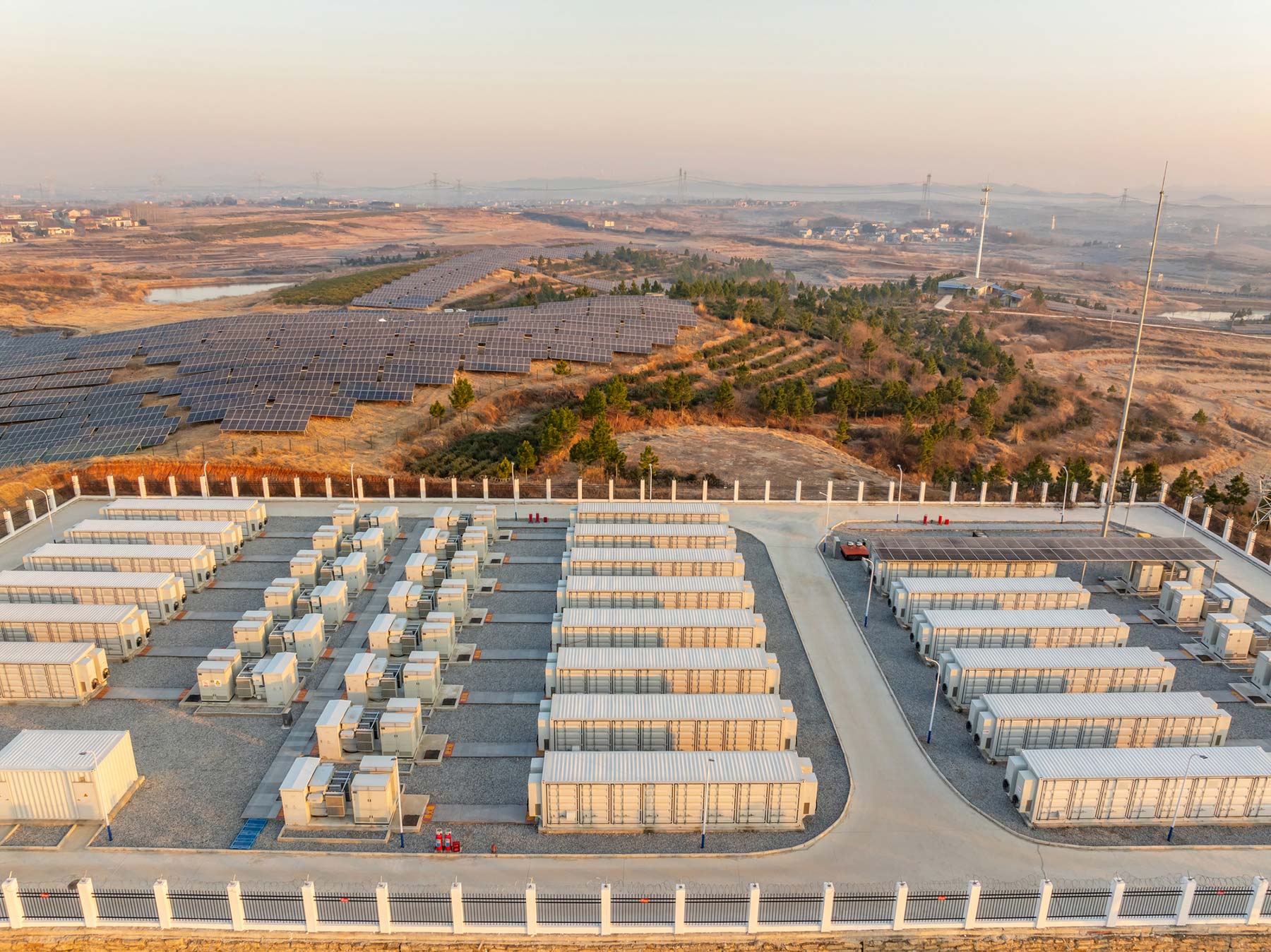
Solar installations can produce significant amounts of electricity during daylight hours, but battery energy storage systems are needed to store surplus energy and release it when generation falls and demand remains high.
Battery storage can help improve electricity reliability, support peak-demand periods and make better use of renewable energy. However, storage must be combined with adequate generation capacity, transmission infrastructure and effective planning.
For Nigeria, where households and businesses frequently seek alternatives to unreliable grid electricity, this development offers an important lesson. Solar panels, appropriately sized batteries and suitable inverter systems can help customers manage their electricity needs more effectively.
At Mankorie Global Energy, we recognise the growing importance of reliable power solutions. As energy technologies continue to evolve, solar systems and energy storage will remain important options for homes, businesses and organisations seeking greater energy independence.
The future of reliable electricity depends not only on how much power a country generates, but also on how effectively that power is stored, managed and delivered when people need it.