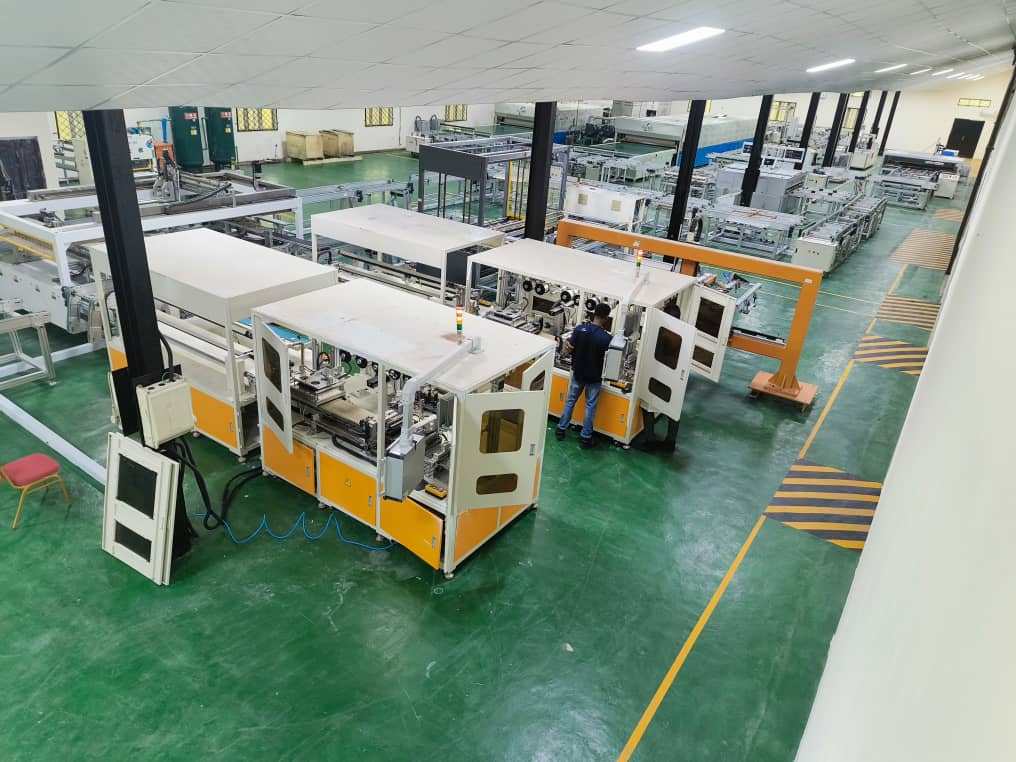
Jigawa State is expanding its renewable energy manufacturing ambitions after approving plans to include a lithium battery energy storage assembly plant alongside its proposed solar panel assembly facility.
The approval was announced following a State Executive Council meeting held on September 28, 2026. According to the state government, the expanded project will combine solar panel assembly with battery storage production to support growing demand for reliable and cleaner energy solutions.
The project is expected to position Jigawa as a local production centre for solar and energy storage equipment. The state government retains a 49% equity stake in the project, while its partner, TESNI Energy Limited, holds 51%.
The expansion could help strengthen Nigeria’s renewable energy supply chain by supporting local assembly, creating skilled employment opportunities and providing technical training for workers in the energy sector.
Battery storage is an important component of modern solar systems. Solar panels generate electricity during daylight hours, while batteries can store surplus energy for use at night or during periods of limited sunlight. Combining the two technologies can help households and businesses make better use of solar power.
Nigeria’s growing demand for alternative electricity solutions creates opportunities for manufacturers, equipment distributors, installers and maintenance providers. Local assembly could also help develop technical expertise and support a stronger domestic renewable energy industry.
However, the success of the proposed facility will depend on implementation, access to financing, reliable production operations and the availability of quality components.
For Mankorie Global Energy, this development highlights the importance of following Nigeria’s emerging solar and battery storage market. As the industry develops, reliable equipment, appropriate system design and professional installation will remain essential to delivering practical energy solutions to customers.
Jigawa’s plan represents another step in Nigeria’s efforts to strengthen local renewable energy manufacturing and expand access to dependable electricity.


